
Autumn Budget 2025: Key Updates for Succession and Estate Planning
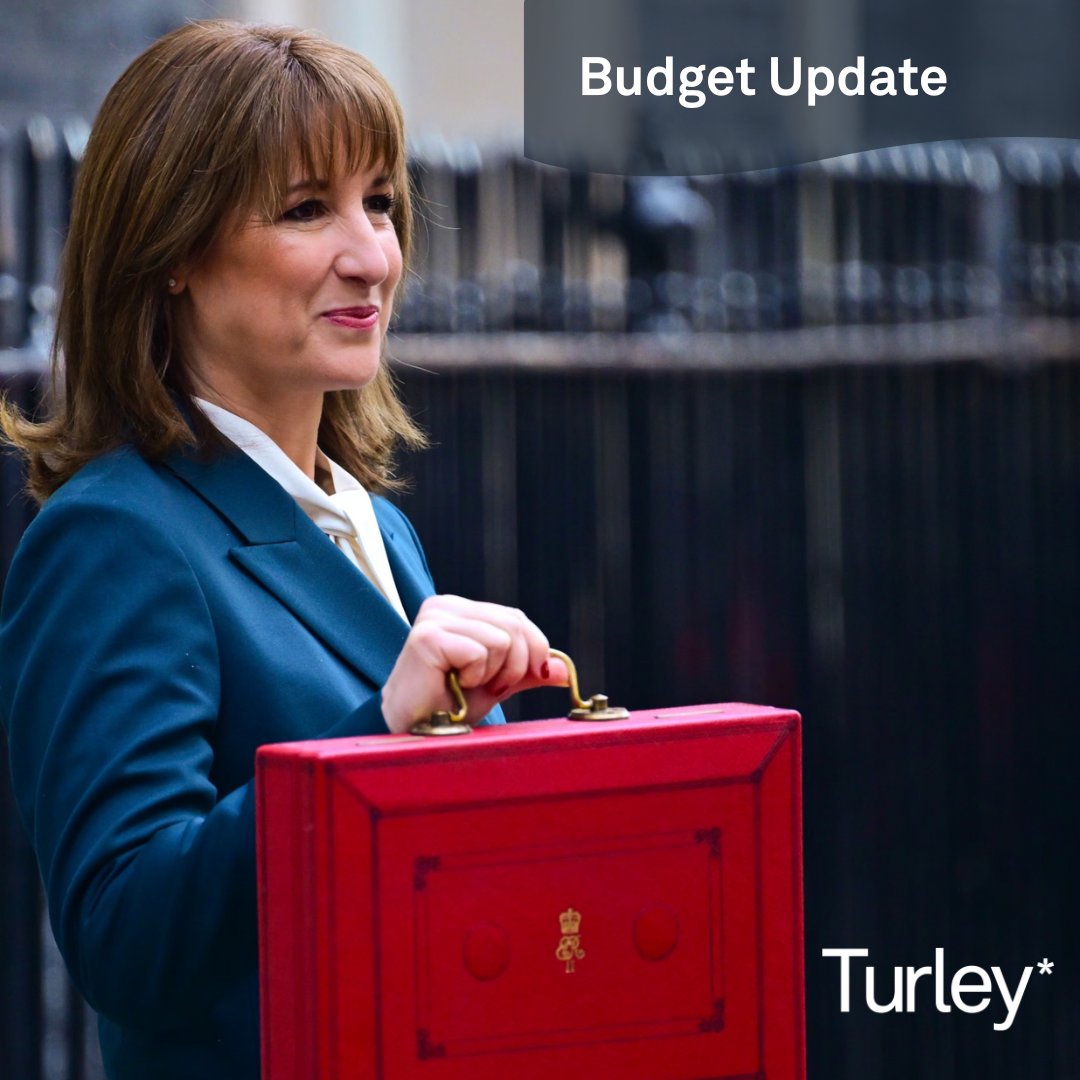
The Government’s Autumn Budget today was one of the most anticipated in recent years. In the lead-up, speculation was rife, with reports suggesting VAT hikes, caps on lifetime gifts and even an extension of the well-known seven-year rule to ten years.
Fortunately, the Budget did not introduce changes to headline inheritance tax (“IHT”) or capital gains tax rates. Instead, Chancellor Rachel Reeves adopted a more passive approach to capital taxes, opting to freeze existing allowances for longer than originally planned - a move that will allow inflation to gradually draw more working and middle-class families into the IHT net. While less dramatic than some feared, this decision will have a significant impact on families who previously assumed they were outside the scope of IHT.
The standard nil-rate band of £325,000 and the residence nil-rate band of £175,000 will not increase until April 2031. In practical terms, this means that as property values, savings and investments continue to rise, more estates will become taxable simply because the allowances remain static. Families already close to these thresholds may find themselves liable for IHT as a result.
Additionally, the £1 million relief for individuals owning qualifying agricultural and business property—introduced in the 2024 Budget—has also been frozen until 2031. The government did clarify that any unused portion of this relief will be transferable between spouses and civil partners, meaning married couples and civil partners could benefit from up to £2 million of relief between them, even if one spouse dies before April 2026.
While today’s Budget may not have delivered the sweeping changes many feared, the prolonged freeze on allowances will steadily increase the number of estates caught by IHT. Combined with rising property values and investment growth, this creates a real risk for families who previously assumed they were outside the scope of the tax. We strongly recommend that our clients review their succession plans prior to next April to ensure they are prepared and to explore strategies to mitigate future tax liabilities.
As always, if we can be of assistance with your succession plans, please get in touch with our Private Estate Solicitor, Rachel Scroggie.