
Rural property issues: septic tanks, private lanes and shared access

Rural property continues to hold strong appeal across Northern Ireland — whether as family homes, lifestyle purchases or long-term investments. Space, privacy and setting are obvious attractions, but rural ownership often comes with complexities from a legal perspective.
Three issues, in particular, regularly cause delays, unexpected cost and, in some cases, disputes. These are:
septic tanks;
private lanes; and
shared access arrangements.
Understanding these at an early stage can make the difference between a smooth transaction and a problematic one.
Septic tanks and private wastewater systems
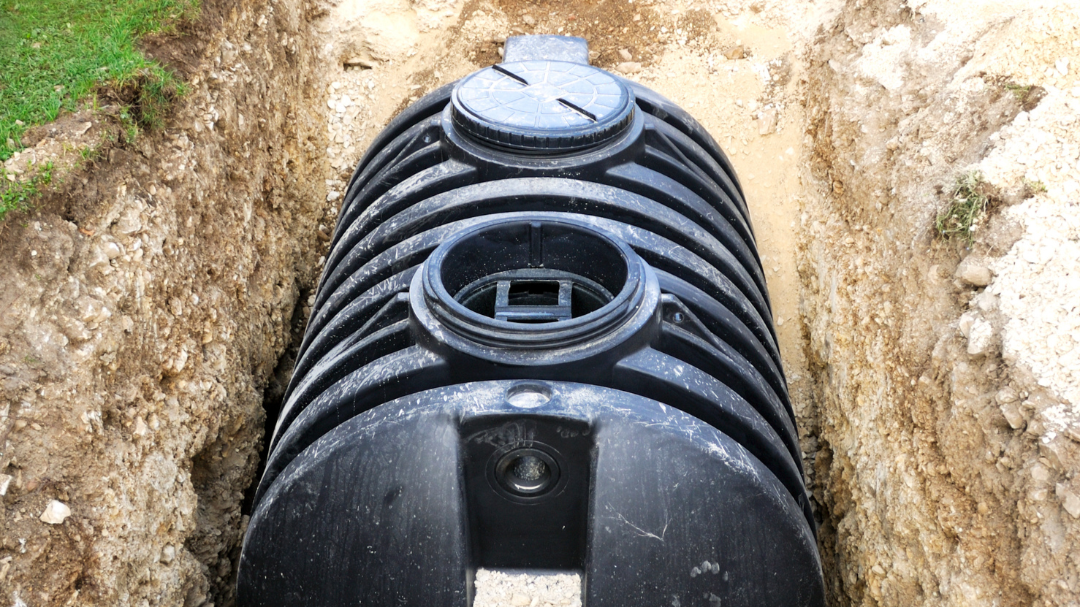
Many rural properties are not connected to the mains sewer and instead rely on septic tanks or private treatment systems. While common, these systems are increasingly regulated and frequently misunderstood.
Key points buyers and owners should be aware of include:
Location – is the septic tank within the property boundary or located on neighbouring land? If it sits outside the title boundary, then formal rights of access and maintenance are essential.
Ownership – a consent to discharge is an approval allowing treated effluent from a septic tank or private system to be lawfully discharged. It must be held in the current owner’s name which is often not the case. Where it remains in a previous owner’s name this can cause delays, additional cost and issues progressing a sale or remortgage.
Maintenance obligations – responsibility for emptying, repairs and replacement should be clear. Where systems are shared, written agreements are strongly advisable.
From a legal perspective, we often see transactions delayed where documentation is missing, rights are unclear, or compliance issues come to light late in the process. Early investigation can help avoid costly surprises.
Private lanes and access roads

Access to rural properties is often via private lanes or unadopted roads.
Common issues include:
Ownership of the lane – does the lane form part of the title to the property, or is it owned by a third party?
Legal rights of access – a property may rely on an express right of way, a shared right, or in some cases historic use with no formal documentation (i.e. a prescriptive right).
Maintenance responsibility – who pays for repairs, resurfacing or drainage? Is there a cost-sharing agreement in place?
Disputes often arise where maintenance expectations differ or where rights have never been properly documented. For buyers, clarity on access rights is essential, particularly where mortgage lenders are involved.
Shared access and shared services
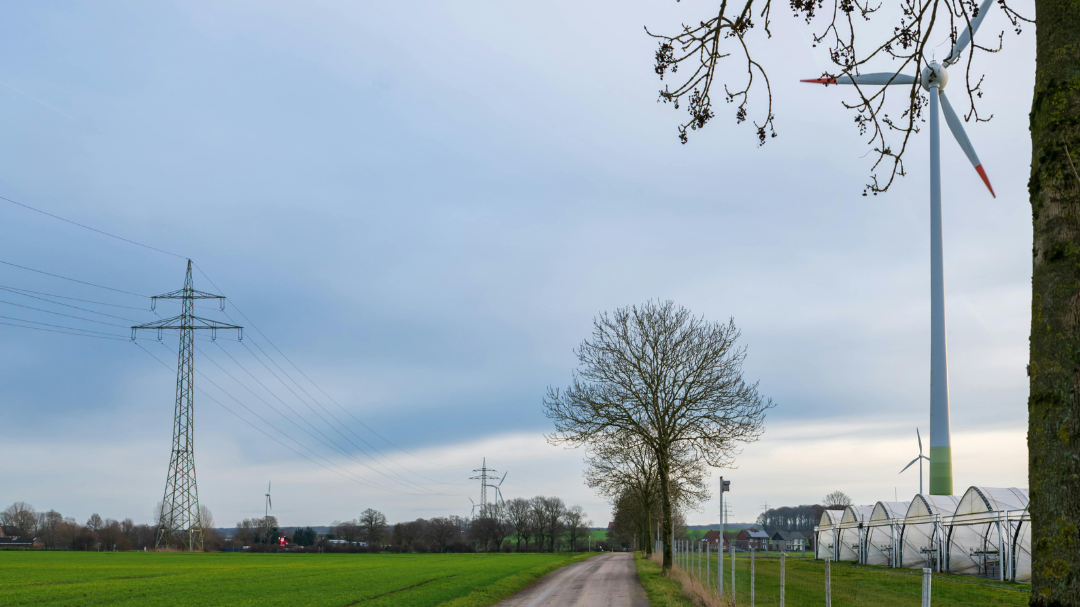
Shared access arrangements are common in rural settings, particularly where properties have been subdivided over time. While neighbourly cooperation often works well, legal certainty is crucial if circumstances change.
Issues we regularly advise on include:
Scope of access rights – are rights limited to pedestrian access, or do they include vehicles, agricultural machinery or future development?
Use and intensification – increased use can lead to conflict if rights are not clearly defined.
Shared services – water supplies, drainage systems and electricity infrastructure are often shared. Clear responsibility for repair and costs avoids disputes later.
Why early legal advice matters
Rural property transactions often require more detailed investigation than their urban counterparts. Issues relating to access, services and compliance can affect property value and ongoing ownership costs.
How we can help
Our specialist property solicitors regularly advise on rural property transactions across Northern Ireland and understand the practical issues that can arise with septic tanks, private lanes and shared access arrangements.
Whether you are buying, selling or already own rural property, early advice can help identify risks, avoid delays and protect your long-term interests. If you would like to discuss any aspect of a rural property transaction, please get in touch with our property team, we would be happy to help.